
Studio & craft · Full-grain cowhide
Leather Welding Aprons
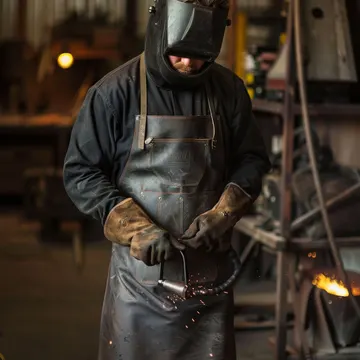
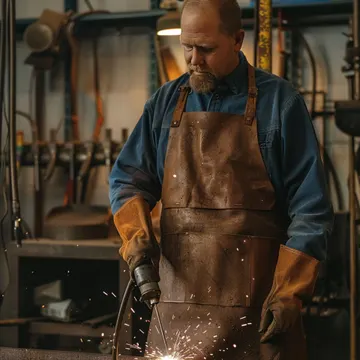
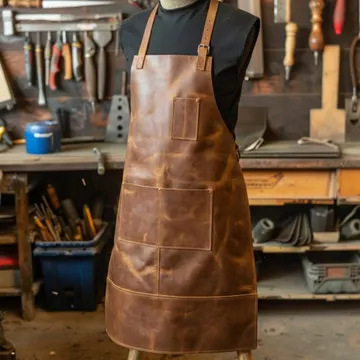
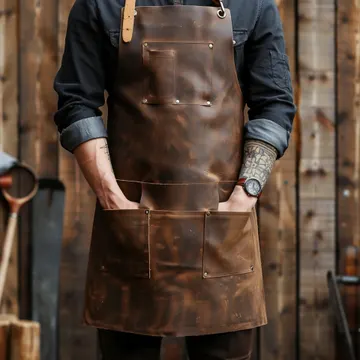
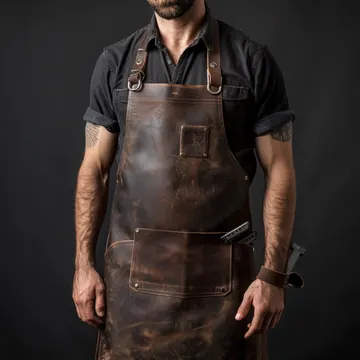
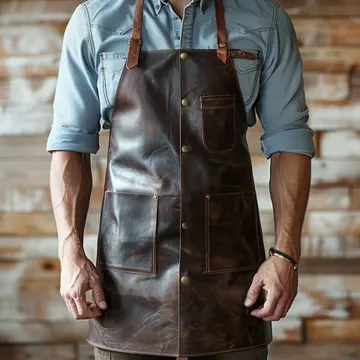
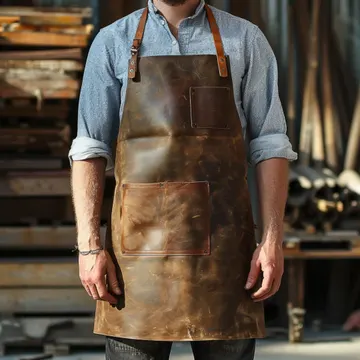
Lapron's flame-resistant welding aprons are crafted from 100% genuine cowhide to protect against heat, sparks, and spatter during MIG, TIG, and stick welding. The collection includes the HeatArmor, HeatProtector, and Iron Shield — each a dedicated welder apron with adjustable straps, tool pockets, and brass hardware. Built for professionals and hobbyists who don't compromise on safety.
- Leather
- Full-grain cowhide
- Protection
- Heat & spark resistant
- Hardware
- Brass accents
- Straps
- Adjustable
- Sizes
- S – 2XL
- Design
- Ergonomic for mobility
Buyer's guide
How to choose a protective Welding Apron
Spark & molten metal defence
Premium full-grain cowhide provides exceptional resistance to sparks, molten metal splatter, and intense heat — the essential protection every welder needs.
Ergonomic design for mobility
The ergonomic cut allows full arm and shoulder movement so you can position your work and equipment without the apron restricting you.
Heavy-duty durability
Built to withstand intense heat and repetitive wear, our welding aprons are made to last through years of professional workshop use.
Comfortable for long sessions
Adjustable straps distribute weight evenly, reducing fatigue so you can focus on precision welding from start to finish.
Leather Welding Aprons Built for the Arc, the Spatter and the Long Shift
A welder's apron has one job that fabric cannot do: stop molten metal. Spatter from a MIG gun or a stick rod lands at temperatures that melt straight through cotton and synthetics, and it lands repeatedly across a shift. Full-grain cowhide chars on the surface and stops there. That is the whole reason leather has stayed the standard in welding shops for a century while almost every other piece of workwear has changed.
Every welding apron in this collection is cut from full-grain cowhide, sewn with heavy-duty thread and riveted rather than glued at the stress points. Straps are adjustable so the apron sits where you need it whether you are standing at a bench or crouched over a jig.
What to Look For in a Welder Apron
- Leather type. Full-grain cowhide is the standard for arc work — it chars rather than melting. Split or corrected-grain leather is cheaper and tends to crack instead.
- Coverage. Spatter falls from above the work, so a high bib matters more in welding than in most trades. Full-length protects the thighs when you are seated.
- Stitching. Ordinary thread is the first thing to fail near heat. Look for heavy-duty thread and reinforcement at every seam, not just the visible ones.
- Movement. A split-leg cut lets you stride and sit without the panel binding — worth having if you move between stations.
Welding vs Blacksmithing — What Actually Differs
Both trades need heat-resistant leather, but the threat comes from a different direction. In welding, spatter falls from an arc above the workpiece, so coverage across the chest and thighs is the priority and a high bib earns its keep. At the forge, the heat is radiant and comes from in front and below, and the smith is moving constantly between fire and anvil — which is why split-leg cuts are more common in blacksmithing. Several aprons in this collection are built to handle both, and are listed in our blacksmith apron range as well.
Beyond Welding — Fabrication, Grinding and Metalwork
Angle grinding throws a dense stream of hot particles that will ruin a shirt in minutes. Plasma cutting, brazing and general fabrication all carry the same risk. The aprons here are equally at home in a fab shop, a farm workshop or a garage, and the same leather that stops weld spatter also stops swarf and sparks from a cut-off saw. If your work crosses into wood as well as metal, the woodworking aprons share the same build.
Engraving and Team Orders
Any apron in this collection can carry a name or a shop logo. For fabrication teams and training workshops we handle matched sets — same leather, same cut, individual names. Tell us the quantity and we will come back with lead time.
Questions Welders Ask
Will weld spatter burn through a leather apron?
Not through full-grain cowhide. Spatter marks the surface and can leave small pits over time, which is what a working apron is supposed to look like. It will not pass through to your clothes.
Can I use this for stick welding as well as MIG?
Yes. Stick throws heavier spatter, so expect the surface to mark faster, but the protection is the same.
How do I clean a welding apron?
Brush off the scale, wipe it down, let it air dry away from heat. Do not soak it and do not dry it near the forge or a heater — that is what makes leather go hard and crack.
What size should I order?
Measure your chest and the length you want from collarbone to knee. Our size guide walks through it; if you are between sizes, go up — the straps take up the slack.
Related reading from the Academy
Explore other trades
4.8 / 5
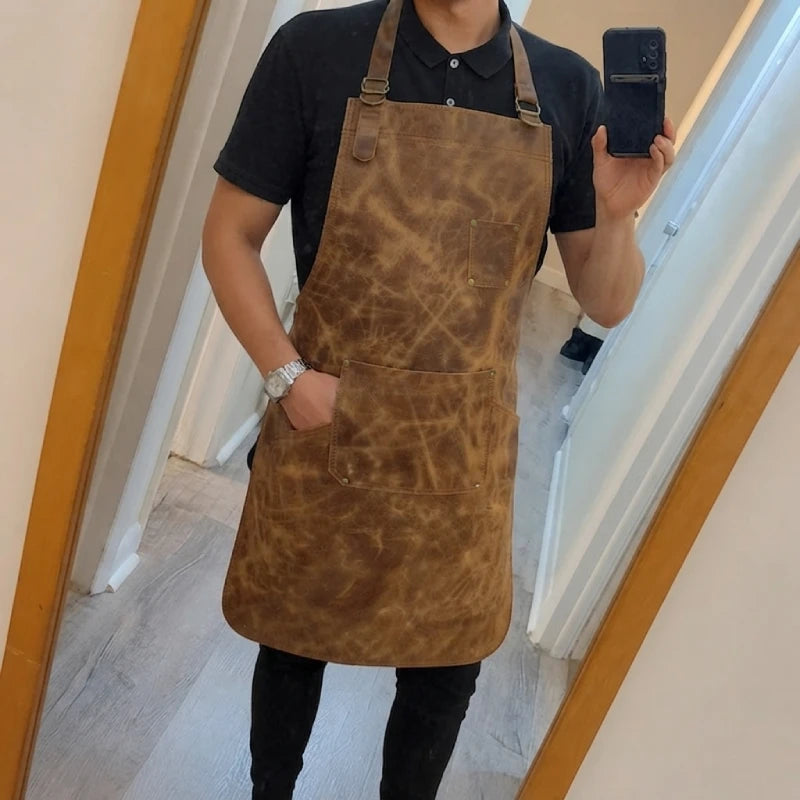 Victor NguyenReally happy with the fit on this one. The distressed tan leather has such a nice worn-in look right out of the box. Front pocket is deep enough for small tools, and the adjustable neck strap made dia...Show more003/07/2026
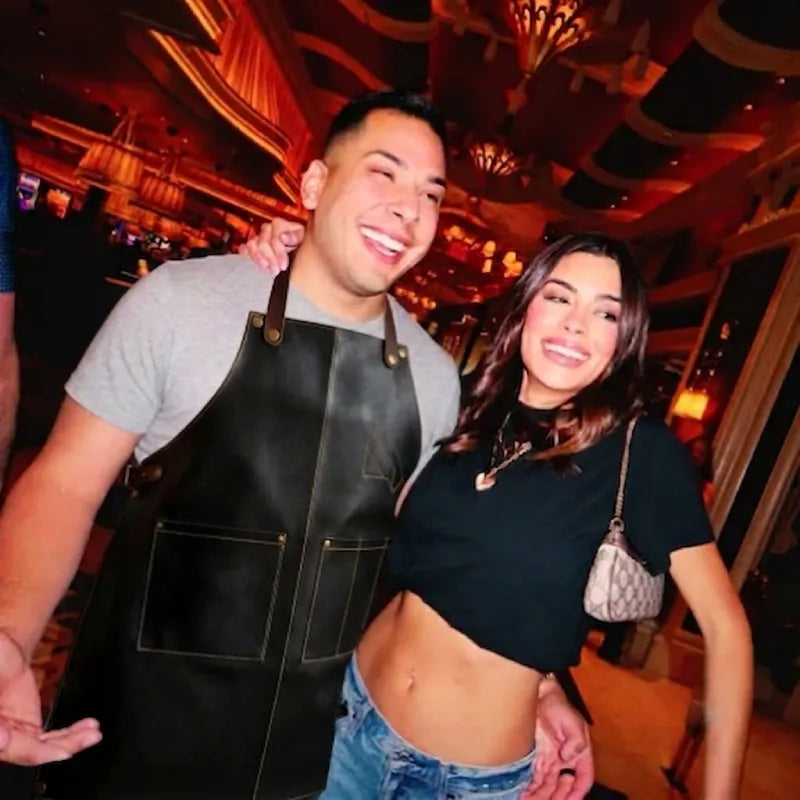 Nate FerreiraWore this out on a night off just because it looks that good, not even for work! Sleek black leather with two roomy front pockets, definitely gets noticed. Feels durable enough for actual bar shifts t...Show more019/11/2025
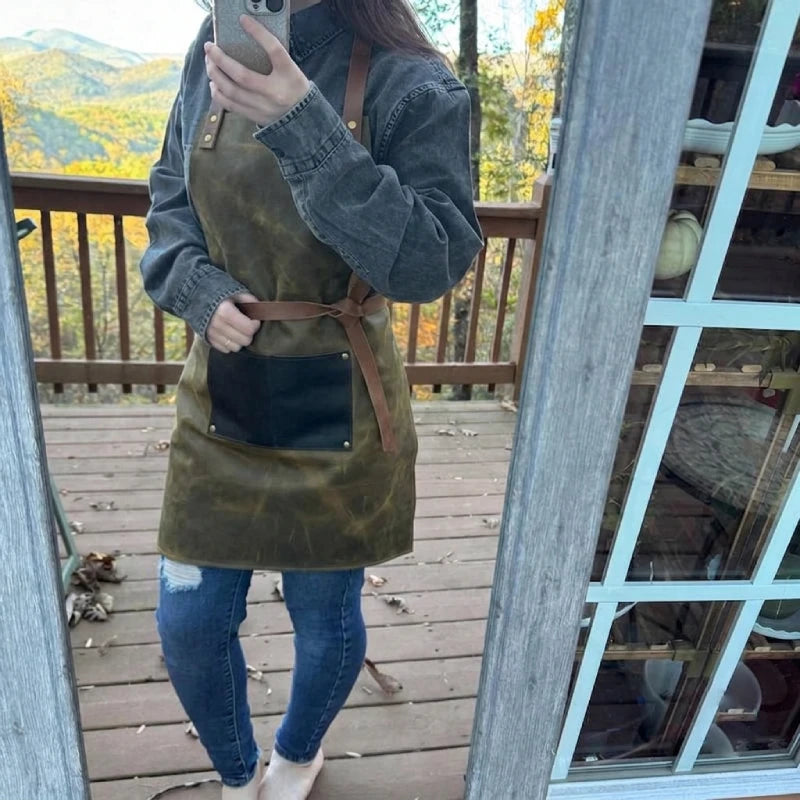 Sierra LockhartLove this one for barbering — the olive canvas body is lightweight and breathable for long days on my feet, and the black leather pocket holds my shears and comb securely. The waist tie lets me cinch ...Show more019/11/2025
Collection FAQs
Questions buyers ask
Lapron welding aprons are crafted from premium genuine cowhide leather with adjustable straps, reinforced stitching, and an ergonomic design — providing superior heat resistance, durability, and comfort compared to standard fabric alternatives.
Yes. Our welding aprons are specifically designed to withstand high temperatures, protecting welders from heat, sparks, and molten metal splatter during professional and hobbyist welding tasks.
Absolutely. Whether you're starting out or are a seasoned professional, our aprons offer adjustable straps for a perfect fit and reliable protection for all skill levels — one of the reasons Lapron's leather aprons are trusted by welders at every stage.
Yes. Lapron welding aprons are versatile and suitable for blacksmithing, wood burning, metal fabrication, and other high-heat crafts that require reliable spark and heat protection.
Our welding aprons are available in Small through 2XL with adjustable neck and waist straps, ensuring a personalised, comfortable fit for all body types.
Yes. Lapron offers custom engraving and embroidery on welding aprons, letting you add a name, initials, or logo — ideal for shop branding or as a gift for a fellow welder.