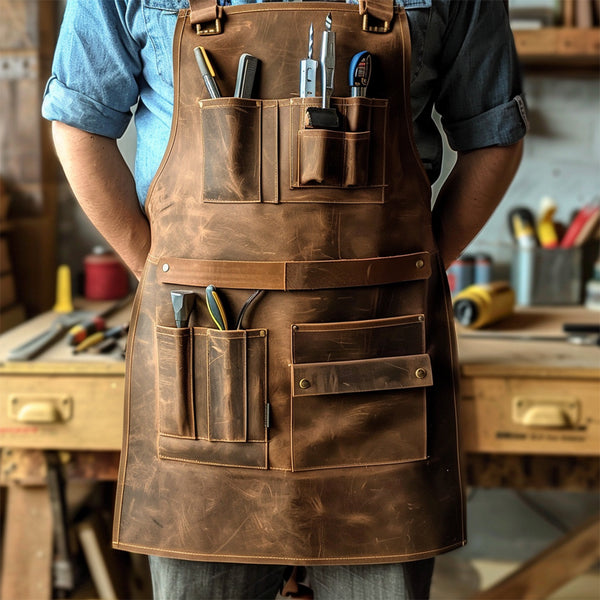
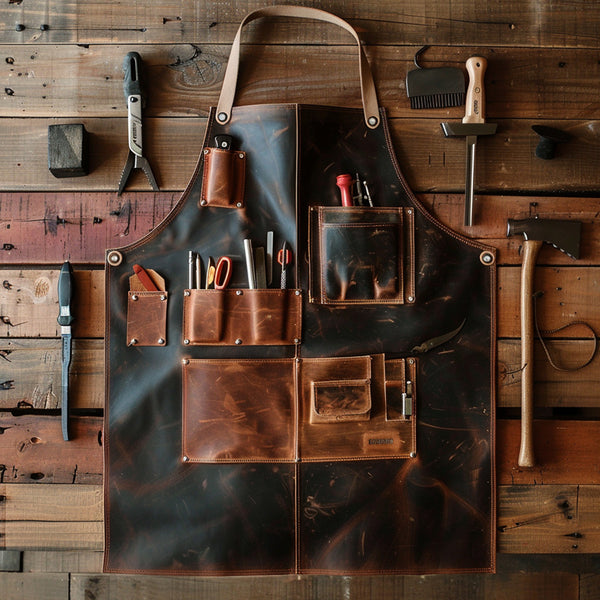
Blacksmiths do not wear leather-made aprons as a fashion. There is a very important reason behind this choice. Blacksmithing is a difficult and dangerous task. Blacksmiths work with hot metals, molten iron, and sharp tools every day. Their job puts them at risk of injury or burns. To protect their bodies from unexpected injuries, they wear leather-made aprons.
The Dangerous Nature of Blacksmithing
Blacksmithing involves working with extremely hot metals, sometimes even glowing red. The blacksmith uses heavy tools like hammers, chisels, and anvils to shape these metals. The metal is often so hot that it can cause severe burns if it comes into contact with the skin. Additionally, blacksmiths frequently handle sharp, pointed metal pieces that can injure their bodies. This constant exposure to heat and sharp tools makes blacksmithing a dangerous job.

As a result, blacksmiths need to find ways to protect their bodies. Wearing an apron made from a simple piece of cloth would not be enough. Cloth aprons would not protect them from the intense heat or sharp metal pieces. This is why they need a much stronger material—leather.
Why Leather?
Leather has been used by blacksmiths for centuries for a very important reason: it is tough, heat-resistant, and durable. Leather can withstand high temperatures, which makes it perfect for blacksmithing. When blacksmiths wear leather-made aprons, they are protecting themselves from the heat, molten metal, and sparks that fly off during the forging process. Genuine leather aprons are made from the skin of animals, which is why they are so strong.

The thickness and toughness of leather help keep the blacksmith safe from burns and injuries. Not only does leather protect their clothes, but it also protects their skin from burns and cuts. If a blacksmith used a normal fabric apron, it would easily catch fire or tear apart when exposed to high heat or sharp metal. Leather does not burn easily, and it is much more durable than cloth, making it the best choice for protection.
Types of Leather Used in Aprons
There are different types of leather used for blacksmith aprons. Each type of leather has its unique properties, making it suitable for different needs. Some leather is soft, while other leather is tough and thick. The best leather for blacksmithing is one that is both thick enough to protect from heat and sharp metal, but also flexible enough to allow the blacksmith to move comfortably.

-
Full-Grain Leather: This is the strongest type of leather, known for its durability. Full-grain leather-made aprons are thick and provide excellent protection against heat and sharp objects. These are ideal for heavy-duty blacksmithing tasks.
-
Top-Grain Leather: This leather is more flexible and lighter than full-grain leather. It is smoother and often more comfortable to wear. Top-grain leather is good for lighter blacksmithing tasks but still offers plenty of protection.
-
Suede Leather: Suede is softer than full-grain and top-grain leather. It is often used for aprons that need to be flexible and comfortable while still protecting hot metal and sparks.
Blacksmiths need to choose the right leather apron based on the type of work they do. For example, if they are working with very hot metals, they might need a thicker apron to protect themselves from the heat. On the other hand, if they are working with smaller pieces of metal, a more flexible apron might be enough. Click to learn more about what type of Leather is best for apron crafting.
Comfort and Fit: Why It’s Important
Blacksmiths work long hours in the forge. This means their aprons need to be comfortable enough to wear all day. Leather-made aprons are designed to fit well and allow the blacksmith to move freely. Aprons come with adjustable straps that make it easy to get the perfect fit, and many are designed to cover the front of the body to protect the chest, legs, and waist.

-
Fit and Comfort: A blacksmith’s apron needs to be adjustable so it doesn’t restrict movement while they work. If the apron is too tight or too loose, it can cause discomfort or even become a safety hazard. A well-fitted apron helps protect the blacksmith’s body from burns and sharp metal without getting in the way.
-
Pockets for Tools: Many blacksmith aprons also come with pockets. These pockets are very useful for holding small tools like tongs, hammers, or chisels. Blacksmiths need these tools readily available, and pockets in their aprons make it easy to keep everything within reach.
Taking Care of Leather-made Aprons
Leather-made aprons are an investment. Since they are made from animal hides, they can be quite expensive. Taking care of the apron is essential to ensure it lasts for many years. Leather is a natural material that can dry out and crack over time, especially with the heat exposure in a blacksmithing workshop.

-
Cleaning: After each use, blacksmiths need to clean their aprons to remove soot, metal dust, and other debris. A simple brushing or wiping can help maintain the leather’s quality.
-
Conditioning: To keep the leather soft and flexible, blacksmiths use oils or waxes to condition the apron. This prevents the leather from becoming stiff and brittle.
-
Storage: Leather aprons should be stored in a cool, dry place to avoid damage. Hanging the apron ensures that it maintains its shape and remains in good condition.
The Importance of Leather-made Aprons in Modern Blacksmithing

Even with modern technology, leather aprons remain essential for blacksmiths. They continue to be the best option for protection against the dangers of blacksmithing. While other materials like canvas and denim are available, leather remains the preferred choice because of its strength, durability, and heat resistance. Leather-made aprons are a symbol of the craft and skill of blacksmiths, and they are an important part of the profession.
Conclusion
Blacksmiths wear leather-made aprons not because of fashion, but because they are essential for their safety. Leather provides the necessary protection from heat, sharp tools, and molten metal. It is durable, flexible, and capable of withstanding the harsh conditions of the forge. By wearing the right leather apron, blacksmiths can safely perform their craft and continue to create beautiful, functional metal pieces. With the proper care and maintenance, these aprons can last for many years, ensuring blacksmiths stay protected while working with extreme heat and sharp tools.